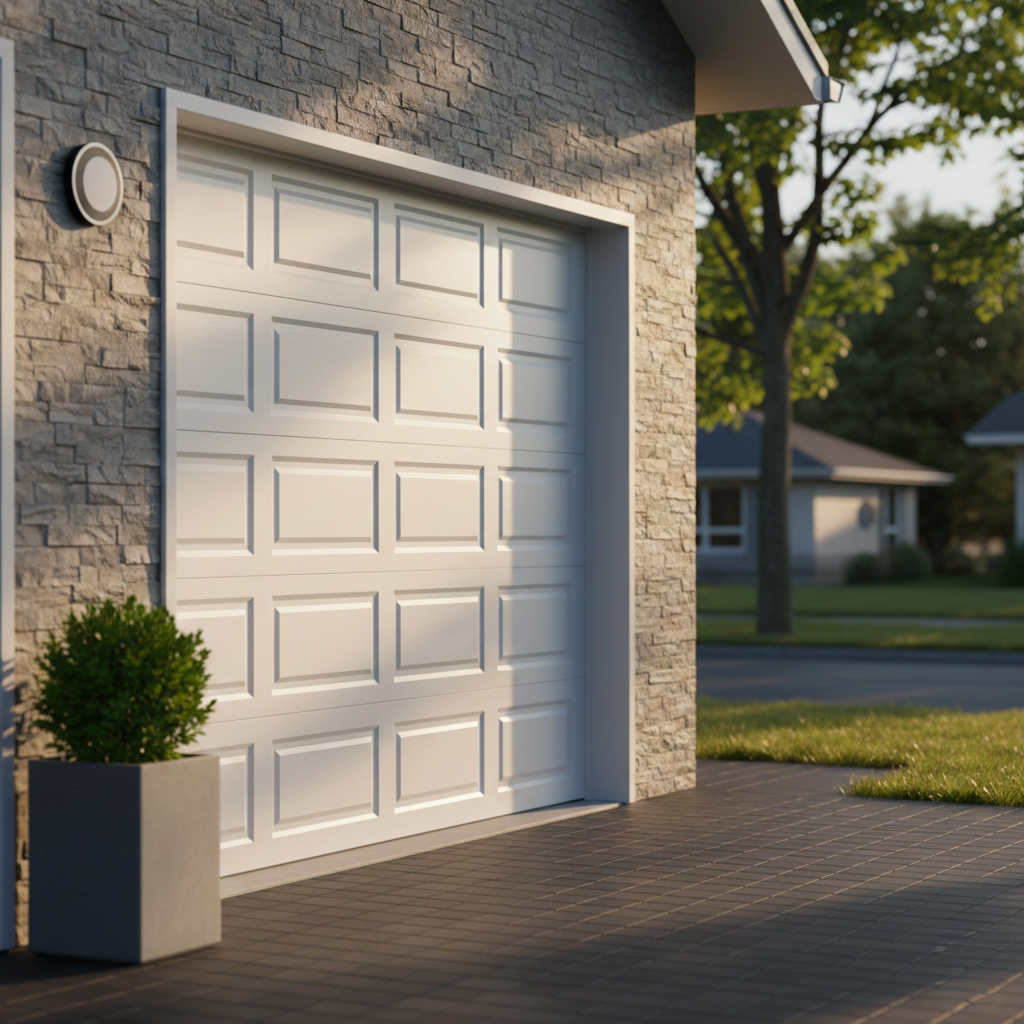
Is Your Garage Door Actually "Standard"? (What Most Homeowners Get Wrong)
It’s a common assumption: from the street, most garage doors look pretty much the same. You see a white raised-panel door and assume if a part breaks, any generic piece will fit.
In reality, that belief couldn't be further from the truth. The garage door industry is a complex web of proprietary designs, regional specialties, and "ghost" manufacturers.
The Myth of the "Universal" Garage Door
There is no "one-size-fits-all" standard in our industry. While most doors follow similar operational physics, the nuances under the hood are significant:
Proprietary Designs: Numerous manufacturers operate across the U.S., each with their own unique stamp patterns, track sizes, and hardware requirements.
The "Legacy" Problem: Many prominent manufacturers from 20 years ago no longer exist. Finding compatible parts for these older systems requires specialized knowledge, not just a hardware store run.
Regional Exclusivity: Certain models are only sold to specific distributors or in certain territories, making some replacement panels or parts incredibly rare depending on where you live.
Why Aesthetics Complicate Repairs
The biggest challenge isn't always making the door move; it's maintaining the visible aesthetic. Because there are so many different design stamps, matching a single damaged section on an existing door is often more difficult than the mechanical repair itself.
Without an expert who understands these manufacturing differences, you risk a "patchwork" look that tanks your home's curb appeal.
Pro Tip: Before hiring a technician, ask if they are familiar with your specific door brand. A "universal" repairman might provide a "universal" fix that doesn't actually last.
Choosing the Right Partner
Navigating these complexities requires a team that is proficient with a vast multitude of manufacturers—both modern and defunct. Getting a cost-effective assessment depends entirely on the technician's ability to identify exactly what you have and what it needs, rather than guessing with generic parts.
